
Real student story
Daniel's transcript showed one part of high school. His interests were telling another story.
Basketball. Food. Nutrition. The human body. Breathwork. Holistic health.
This is a real student story, shared with permission. We've changed the student's name for privacy.
What it looked like at first
Like a lot of students, Daniel's life was bigger than what showed up on his transcript.
School was not always where Daniel showed his best work. Personal health challenges made parts of high school harder, while his interests kept expanding in very different directions.

Basketball Basketball
Sports were a big part of what he enjoyed.
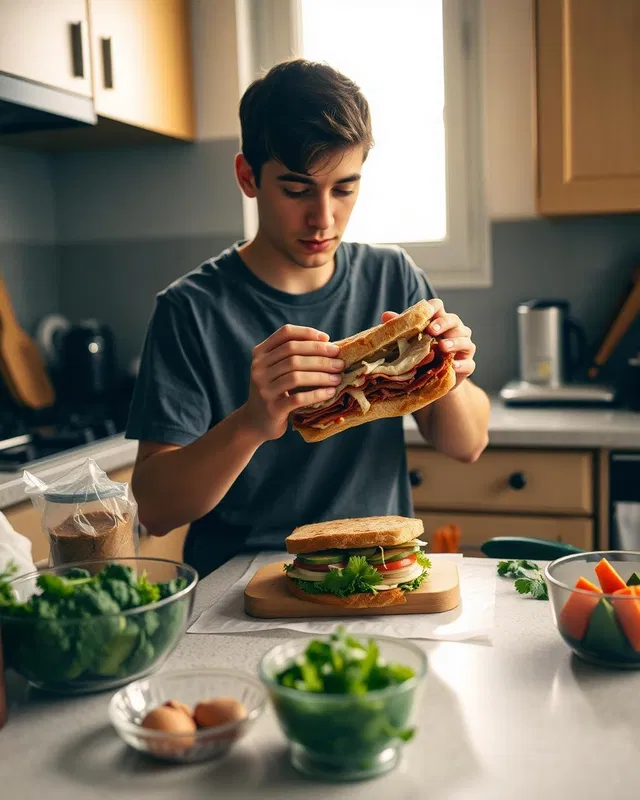
Food Food
A self-described foodie who loved making sandwiches and thinking about what people eat.
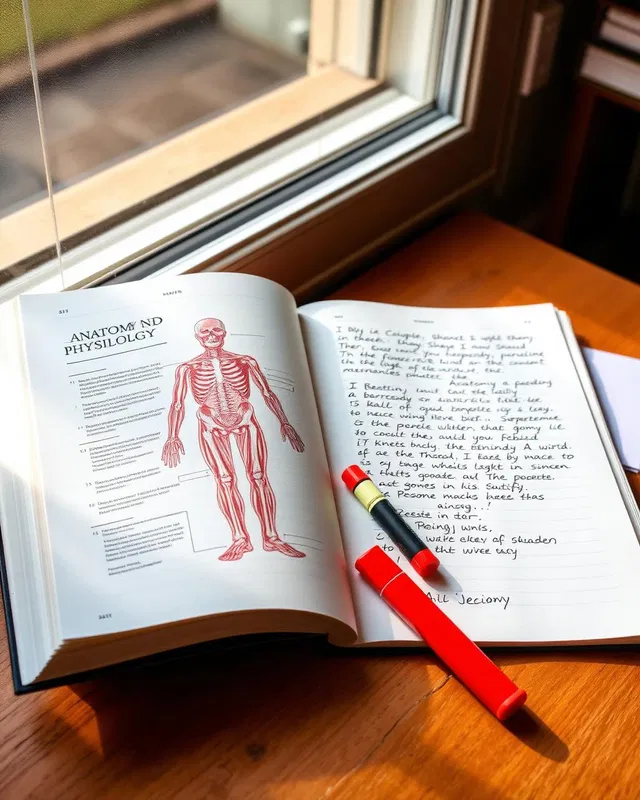
The Human Body The Human Body
He kept researching how the body works.

Nutrition Nutrition
He became increasingly interested in the role food and nutrition play in how people feel and function.
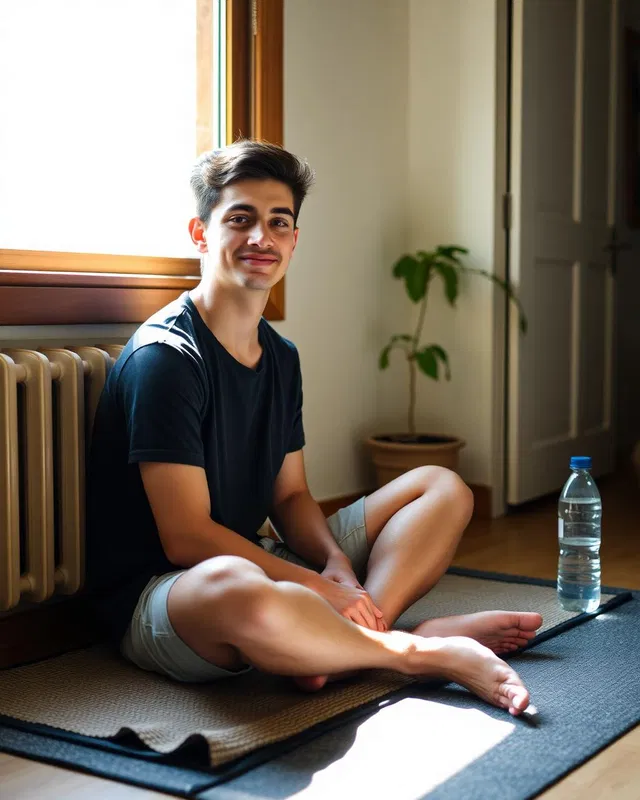
Wellness Wellness
His own experiences kept drawing him toward broader questions about health and well-being.


A transcript could show where school was difficult. It could not show everything Daniel was becoming curious about.
What HIYP started capturing
The transcript was only one source of information. What Daniel kept telling HIYP revealed something else.
Researching the human body
He kept coming back to questions about how the body works and why people feel the way they do.
Nutrition
He was increasingly curious about how food and nutrition influence health, energy, and performance.
Discovering breathwork
He found breathwork, started learning about it, and began attending classes.
Coming back to holistic health
As Daniel kept adding interests and reflections, holistic approaches to health kept showing up again.
He wasn't just curious about health. He kept choosing to learn more about how the body works — and what people can do to support it.
HIYP is designed to capture the things a transcript cannot: what a student researches, what they return to, what they try, what they reflect on, and which interests keep getting stronger over time.
The pattern
Health kept becoming more than a personal experience. It was becoming an area Daniel wanted to understand.
The questions kept connecting: the human body, nutrition, performance, breathwork, and eventually holistic and functional health. These were no longer isolated interests.
HIYP had something more useful than a student simply saying, “I'm interested in health.” It had a pattern built from what Daniel was actually choosing to learn and do.
Once that pattern became strong enough, the next question was: “How can Daniel go deeper enough to find out whether this is something he genuinely wants to pursue?”
What HIYP recommended
Turn curiosity into real practice.
HIYP's role is not simply to notice an interest. It is to help the student test it. For Daniel, breathwork offered a way to move from reading and attending classes into structured learning and real responsibility.
The goal was not to create an activity for a college application. It was to help Daniel find out whether this growing interest still mattered when it required training, commitment, and practice.
Complete formal breathwork training
Go beyond attending classes. Take a structured course, learn the practice more deeply, and earn the appropriate practitioner certification or credential.
Practice by leading others
After completing the training, invite friends to small sessions so the interest becomes something Daniel has to prepare for, explain, lead, reflect on, and improve.
- Learn
- Train
- Get certified
- Lead
- Reflect
- Go deeper
Why that matters for college
Because a difficult transcript doesn't have to be the only evidence of who a student is.
Academic performance still matters, and HIYP should never pretend otherwise. But colleges also learn about a student through initiative, curiosity, persistence, service, self-awareness, and the choices they make when no grade is attached.
For Daniel, the story was no longer simply, “I struggled in parts of high school and became interested in health.” The stronger story became: “My own experiences made me curious about how the body works. I kept researching, found breathwork, trained in it, practiced it with others, and discovered that health was something I wanted to keep studying.”
The training and sessions gave that interest weight. Daniel didn't just claim curiosity. He learned. He committed. He practiced. He took responsibility for leading other people. And he kept asking what came next.
That progression gives colleges a fuller picture: not an excuse for academic difficulty, but evidence of growth, direction, initiative, and a genuine intellectual interest that developed through experience.
Where it led
The interest kept getting deeper.
Daniel followed through. He completed formal breathwork training, earned a practitioner credential, and began leading sessions for friends. What began as something he attended became something he understood well enough to share with other people.
Along the way, his interest expanded into functional health. The same questions that had been appearing for years — the body, nutrition, performance, wellness, and how people function — were starting to form a clearer direction.
Daniel is now on track to finish his bachelor's degree through an online program in about six months. From there, he plans to attend chiropractic school and pursue a career as a doctor of chiropractic.
The path was not obvious from his transcript. It became visible because the rest of his story kept being captured.

A transcript can show where high school was hard.HIYP helps preserve the rest of the story.
It captures what students are curious about, what they keep returning to, what they choose to explore, and how those interests change when they act on them. By application time, the student has more than a list of activities — they have evidence of who they're becoming.
Take the Next Step
What is already taking shape in your student's story?
HIYP helps students track experiences and progress over time, building a record they can draw from when applications begin.