
Real student story
Maya had a lot of interests. One pattern kept showing up.
Baking. Dancing. Math. Volunteering. Tutoring. Time with family.
This is a real student story, shared with permission. We've changed the student's name for privacy.
What it looked like at first
Like a lot of high school students, Maya was involved in a little bit of everything.
Students explore. They participate. They discover what they enjoy by actually doing things. From the outside, this is what high school is supposed to look like.

Baking Baking
A creative interest she enjoyed outside school.

Dance Dance
Another part of a broad, active high-school life.

Math Math
A subject she enjoyed and used to help others.
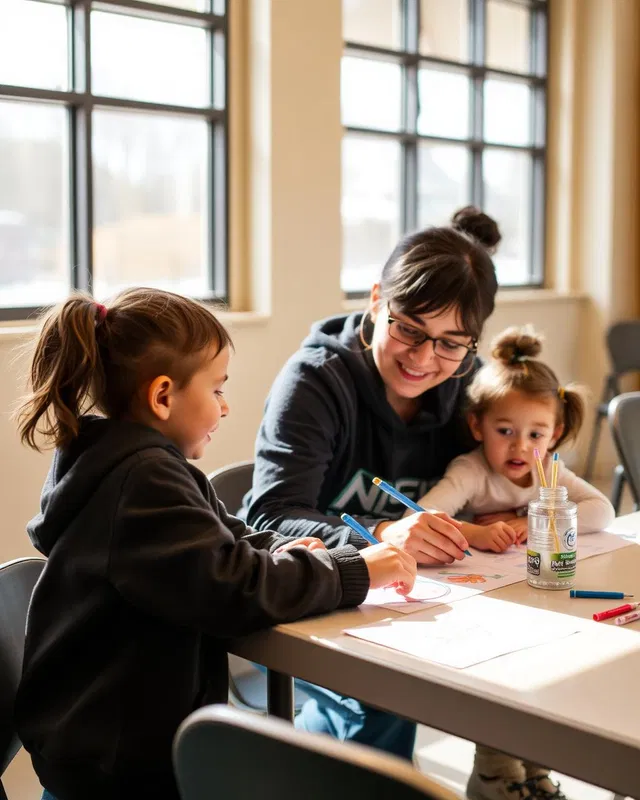
Volunteering Volunteering
She spent time helping children.

Tutoring Tutoring
She tutored elementary-school students after school.

Family Time with family
An important part of her life outside school.


The challenge isn't getting students to do more. It's noticing which experiences are starting to mean something.
What HIYP started capturing
The activities were only part of the story. The details underneath them mattered more.
Tutoring younger students
She kept choosing to spend time helping elementary-school students learn after school.
Volunteering with kids
Helping younger students wasn't limited to one activity. It showed up in how she chose to spend her time.
Her reflections
When Maya reflected on what mattered to her, helping other people kept coming back.
Math as a way to help
A subject she enjoyed also became something she could use to help someone else understand and improve.
Maya wasn't just good at helping. She kept choosing situations where she could help someone else learn.
HIYP is designed to capture those moments over time — through activities, reflections, goals, questions, and evolving interests. The more Maya shared, the clearer the signal became.
The pattern
Helping people learn kept showing up.
Not once. Not because someone told her it would look good. Across tutoring, volunteering, math, and her own reflections, Maya kept returning to the experience of helping someone else understand or improve.
That gave HIYP something much more useful than a generic interest in helping people. It had evidence.
Once the pattern became strong enough, the next question wasn't “What else can Maya join?” It was: “What happens if she takes something she already does for a few students and learns how to build it for more of them?”
What HIYP recommended
Turn helping students into something she could build.
HIYP's role is not simply to identify a pattern. It is to help the student act on it. For Maya, that meant taking tutoring beyond an after-school activity and testing what it would mean to build something of her own.
The point was not to manufacture an impressive extracurricular. The point was to help Maya deepen something she was already doing — and learn whether she enjoyed the responsibility of building around it.
Create an online tutoring business
Take the tutoring she was already doing and turn it into a simple online service — deciding who she wanted to help, what she would offer, how sessions would work, how students would find her, and what she would need to improve as she learned.
Learn how to make it work
Treat the business itself as a learning experience: communicate clearly, organize sessions, take responsibility for the experience, notice what students need, and improve the service over time.
- Choose who to help
- Define the service
- Set it up
- Find students
- Teach
- Learn
- Improve
Why that matters for college
Because colleges don't just see what a student participated in. They see what a student chose to build.
A long activity list can show involvement. A coherent story shows something deeper: initiative, service, problem-solving, leadership, follow-through, and evidence that the student took an interest seriously enough to do something with it.
For Maya, the story was no longer “I like math, I volunteer, and I tutor kids.” That is a list. The stronger story became: “I kept finding myself helping younger students learn, so I took that instinct further and built a tutoring service of my own.”
That progression matters because the online tutoring business gave the interest weight. Maya wasn't simply saying she liked helping people. She had to organize something, communicate it, deliver it, take responsibility for it, and learn from what happened.
That is the kind of progression colleges can understand. It turns an application from a collection of activities into a story of service, initiative, entrepreneurship, and growth.
Where it led
By application time, the story was clear.
Maya followed through on the recommendation and created a small online tutoring business. What began as helping elementary-school students after school became something she had to organize, communicate, operate, and improve. Service became initiative. Tutoring became entrepreneurship.
Maya later went to UT Austin, with her direction moving toward business innovation and technology. The path makes sense in hindsight: she had already experienced what it felt like to take something useful, build around it, and use technology to reach people in a new way.
HIYP isn't trying to predict a student's future. It helps students build enough evidence to make better decisions about what they want to explore next.

By the time college applications arrive, the student isn't trying to invent a story.They already have one.
HIYP captures what students are doing. It notices what keeps showing up. It asks questions that create more context. It recommends ways to go deeper — and helps students turn those interests into real experiences while there is still time to act.
Take the Next Step
What is already taking shape in your student's story?
HIYP helps students track experiences and progress over time, building a record they can draw from when applications begin.